The Complete Guide To Neuromodulators & Wrinkle Relaxer

Fine lines and wrinkles are a natural part of aging. But that doesn't mean you have to live with them if they bother you. Neuromodulators, commonly referred to as wrinkle relaxers, have become one of the most popular medical spa treatments in the world, and for good reason: they work.
You've probably heard of Botox, but it's just one option among several. Today there are multiple FDA-approved neuromodulators to choose from, each with subtle differences that might make one a better fit for you than another.
This guide covers how neuromodulators work, the different types available, what treatment actually involves, and what kind of results you can realistically expect. Whether you're considering wrinkle relaxers for the first time or just want to learn more, you're in the right place.
What Are Neuromodulators and How Do They Work?
Neuromodulators are injectable treatments that use a purified protein to temporarily block nerve signals to specific muscles. When those muscles can't contract as strongly, the overlying skin relaxes and wrinkles soften. The effect is temporary, lasting several months before gradually wearing off.
The science behind them is straightforward. Every time you smile, frown, squint, or raise your eyebrows, the muscles in your face contract. Over years of repeated movement, those contractions etch lines into your skin. Think of forehead lines from raising your brows or crow's feet from squinting and smiling.
Neuromodulators interrupt that pattern. By relaxing the targeted muscles, they smooth existing dynamic wrinkles and prevent them from deepening over time. This is why they're sometimes called wrinkle relaxers. That's essentially what they do: relax the muscles responsible for creating wrinkles.
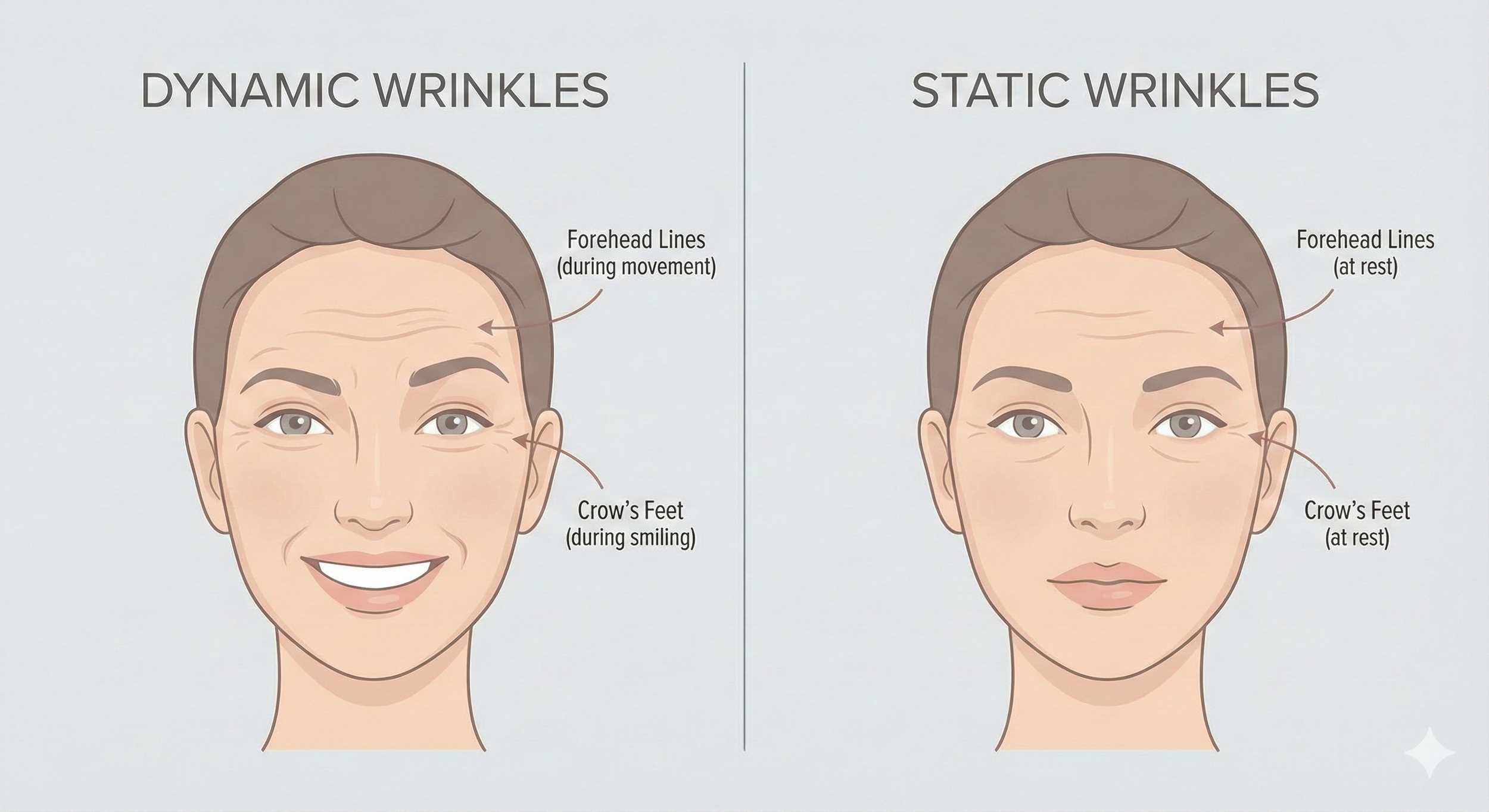
It's important to understand what neuromodulators work best on. Dynamic wrinkles, the ones that appear when your face moves, respond well to treatment. That includes forehead lines, frown lines (the "11s" between your brows), and crow's feet.
Static wrinkles, the lines visible even when your face is completely at rest, may need additional treatments like dermal fillers or skin resurfacing to fully address.
Neuromodulators Examples: Types of Wrinkle Relaxers
Most people use "Botox" as a catch-all term for wrinkle relaxers, but there are actually several FDA-approved neuromodulators examples on the market. They all work through similar mechanisms, temporarily relaxing muscles to smooth wrinkles, but each has subtle differences in formulation, onset time, and how the product spreads in tissue.
The main options include:
Botox: The original and most widely recognized neuromodulator
Dysport: Known for spreading slightly more, which can be beneficial for larger areas
Xeomin: A "naked" formulation without accessory proteins
Jeuveau: The newest option, developed specifically for cosmetic use
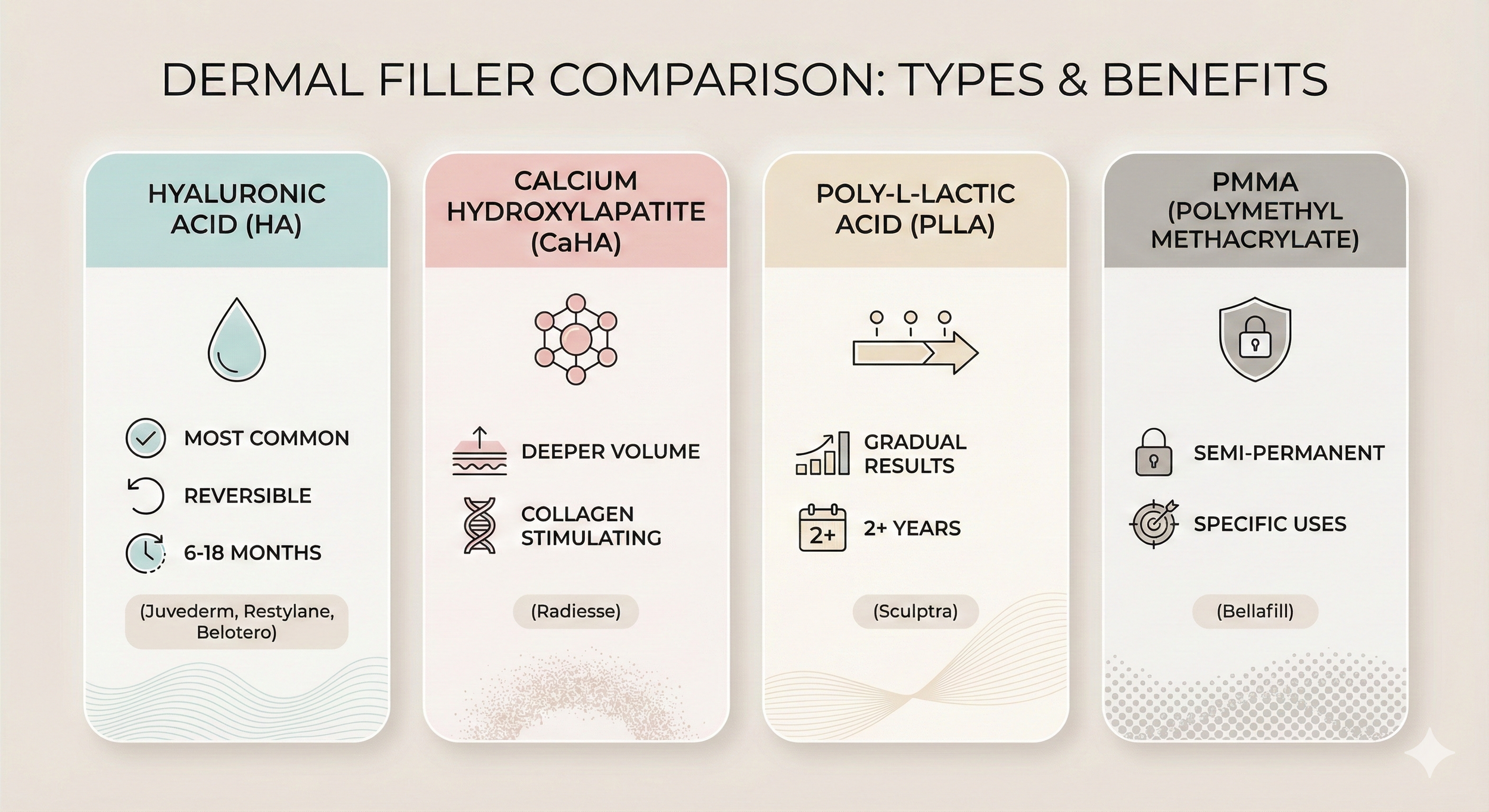
All four are safe, effective, and FDA-approved for cosmetic treatment. The differences between them are relatively subtle, and most patients achieve great results with any of them.
That said, the "best" option varies by person. Some people respond better to one formulation than another, and factors like your facial anatomy, treatment goals, and how your body metabolizes the product all play a role. Your provider can help determine which might work best for you. For a deeper dive into comparing wrinkle relaxers, we've broken down two popular options side by side.
Here's a quick look at each one.
Botox
Botox (onabotulinumtoxinA) is the original neuromodulator and remains the most widely recognized brand. It's been FDA-approved for cosmetic use since 2002, giving it the longest track record of safety and effectiveness of any wrinkle relaxer on the market.
The most common treatment areas include forehead lines, frown lines between the brows, and crow's feet around the eyes. However, Botox has many other applications, from brow lifts to jawline slimming to treating excessive sweating.
Results typically start appearing within 3-7 days after treatment, with full effects visible around two weeks. For most people, results last 3-4 months, though this varies based on individual factors. Learn more about how long Botox lasts and what affects its duration.
Dysport
Dysport (abobotulinumtoxinA) is another popular option that works similarly to Botox but with some subtle differences. It tends to spread slightly more after injection, which can be advantageous when treating larger areas like the forehead.
Some patients report that Dysport kicks in a bit faster than Botox, sometimes showing results within 2-3 days rather than a full week. Duration is comparable at around 3-4 months for most people.
Dysport is a solid alternative for people who want to try something different or who find they respond better to this particular formulation.
Xeomin
Xeomin (incobotulinumtoxinA) is sometimes called the "naked" neuromodulator because it contains only the active ingredient without the accessory proteins found in Botox and Dysport.
This streamlined formulation may reduce the chance of developing resistance over time, making Xeomin a good option for long-term neuromodulator users. Some providers specifically recommend it for patients who have stopped responding as well to other options after years of treatment.
Results and duration are comparable to Botox, with effects appearing within about a week and lasting 3-4 months for most people.
Jeuveau
Jeuveau (prabotulinumtoxinA) is the newest FDA-approved neuromodulator, sometimes marketed as "Newtox." Unlike other options that were originally developed for medical purposes and later adapted for cosmetics, Jeuveau was created specifically for aesthetics from the start.
In terms of how it works and how long it lasts, Jeuveau is very similar to Botox. Some patients find it slightly more affordable, which can make it an attractive option.
Jeuveau is a solid choice for people looking for an alternative to established brands or those trying neuromodulators for the first time.
Common Treatment Areas
Neuromodulators can treat a variety of areas across the face. The most popular treatment zones are the upper face, where dynamic wrinkles tend to show up first.
Primary treatment areas include:
Forehead lines: The horizontal lines that appear when you raise your eyebrows
Frown lines: Also called glabellar lines or the "11s," these are the vertical creases between your brows
Crow's feet: The fine lines that fan out from the outer corners of your eyes when you smile or squint
Additional areas that can be treated:
Bunny lines on the nose
Lip lines and the "lip flip" for a subtle pout
Chin dimpling or "orange peel" texture
Neck bands (platysmal bands)
Brow lift for a subtle eye-opening effect
Jawline slimming by relaxing the masseter muscles
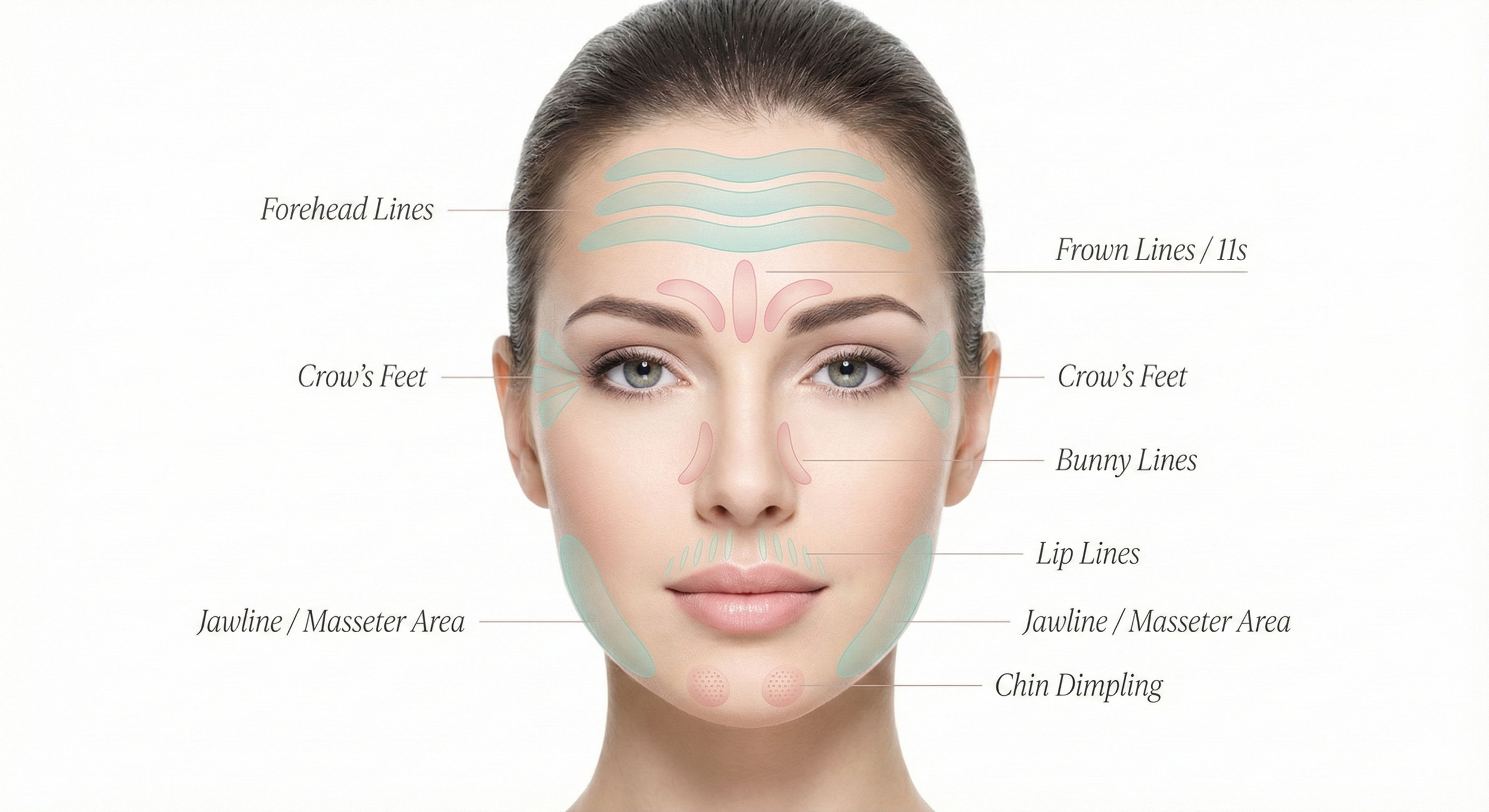
For a complete breakdown, check out our guide on Botox treatment areas.
The right treatment plan depends on your unique facial anatomy, how your muscles move, and what bothers you most. An experienced provider will assess your face, watch how it moves, and recommend an approach tailored to your specific goals rather than a one-size-fits-all treatment.
What to Expect During Treatment
If you're nervous about your first appointment, knowing what to expect can help put your mind at ease. The process is simpler and faster than most people anticipate.
Before: Your appointment starts with a brief consultation to discuss your goals and assess your face. Your provider will look at how your muscles move and identify the best injection sites, often marking them with a small dot. Some providers offer numbing cream, but most patients find they don't need it.
During: Treatment itself is quick, typically just 10-20 minutes. Small amounts of product are injected using a very fine needle into the targeted muscles. Most people describe the sensation as a tiny pinch or slight pressure. The number of injections varies depending on which areas you're treating. Want more detail? Learn about what treatment feels like.
After: You can return to most normal activities immediately. Minor redness or small bumps at injection sites typically fade within 30-60 minutes. There's no real downtime required.
This is often called a "lunchtime procedure" because it's fast enough to fit into a midday break. Wrinkle relaxers are about as low-maintenance as cosmetic treatments get.
If you're preparing for your first treatment, we've put together a complete guide on what to know beforehand.
Results and Timeline
Results from neuromodulators aren't immediate, so don't expect to walk out of your appointment wrinkle-free. Here's a realistic timeline of what to expect.
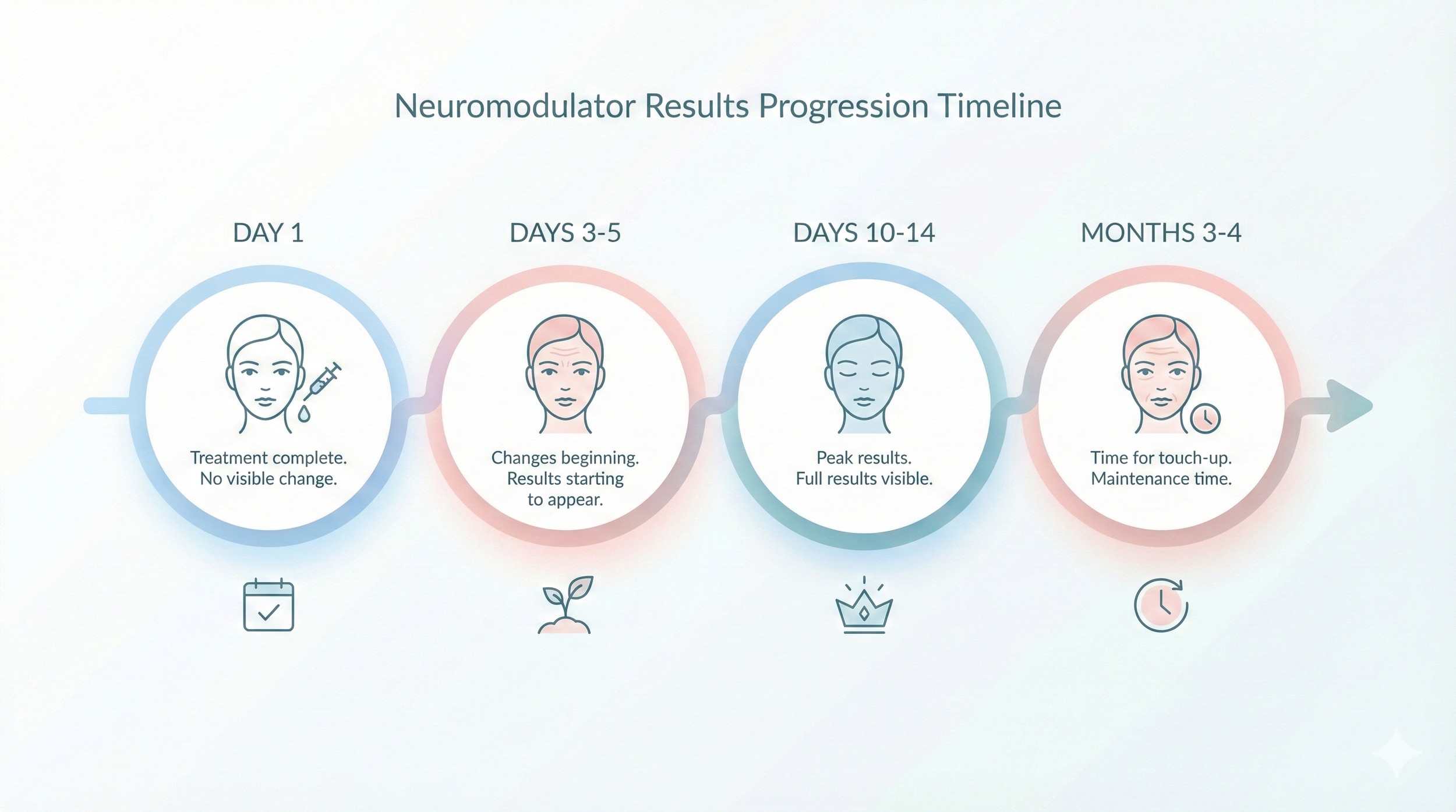
Onset: Most people start noticing changes within 3-5 days as the product begins taking effect. Full results typically become visible around 10-14 days after treatment. Some products like Dysport may kick in slightly faster, sometimes within 2-3 days.
Peak Results: Around the two-week mark, you'll see the full effect of your treatment. This is a good time for a follow-up appointment if you're new to neuromodulators, in case any touch-ups are needed to perfect the results.
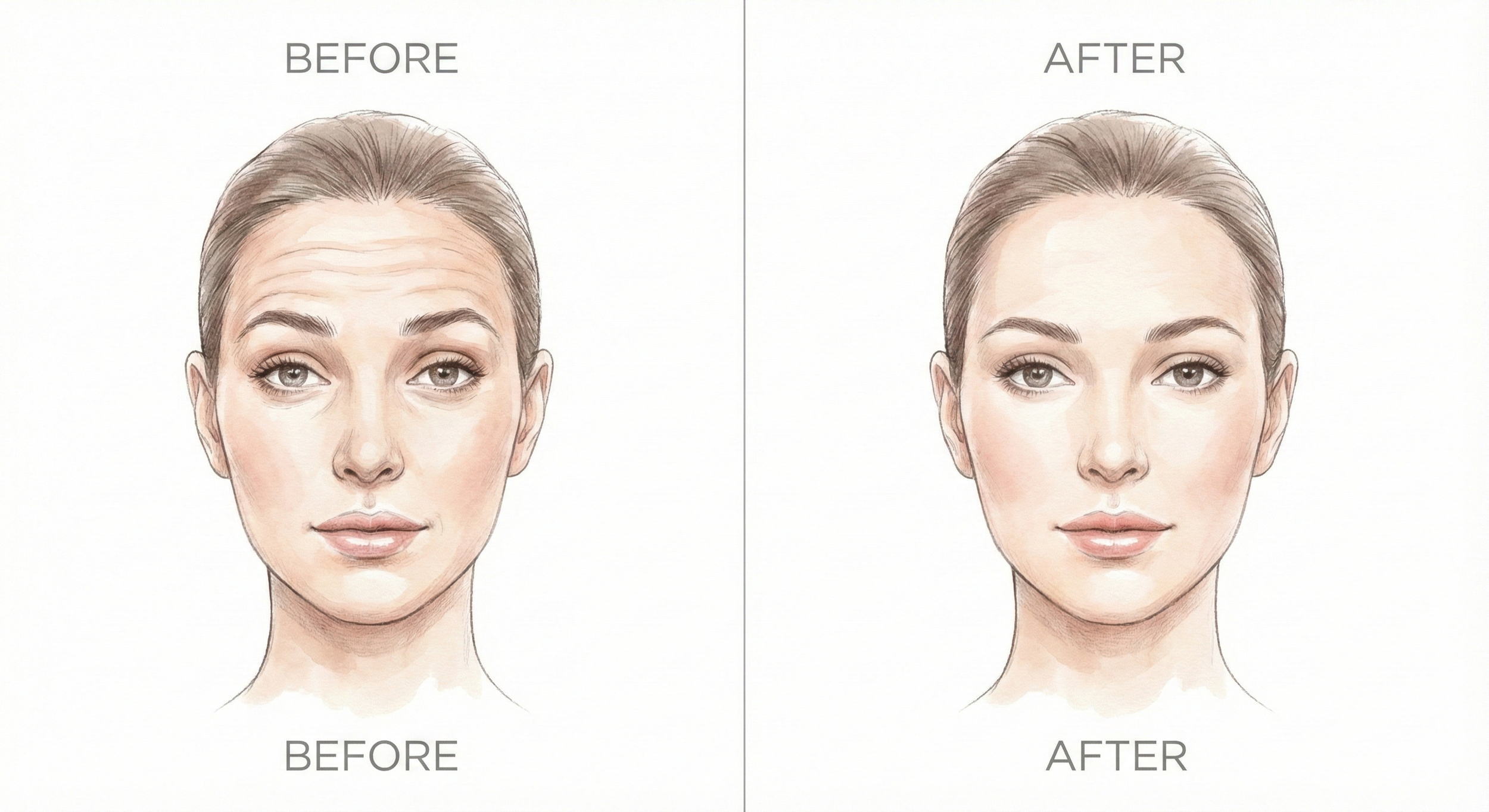
Duration: Results typically last 3-4 months, though this varies by person, product, and treatment area. Some people metabolize the product faster than others. For a deeper dive, read our guide on when you'll see Botox results.
Maintenance: To maintain your results, plan for treatments every 3-4 months. Many people find that with consistent, regular treatments over time, they can gradually extend the interval between appointments as their muscles become trained to relax.
Aftercare Tips
Aftercare for neuromodulators is straightforward. A few simple precautions in the hours following treatment help ensure the product stays exactly where it was placed and reduces the risk of bruising or migration.
Key guidelines to follow:
Avoid touching, rubbing, or massaging treated areas for 4-6 hours
Stay upright for 4 hours after treatment (no lying down or bending over)
Skip intense exercise for 24 hours
Avoid alcohol for 24 hours, as it can increase bruising
Hold off on facials, saunas, or hot tubs for 24-48 hours
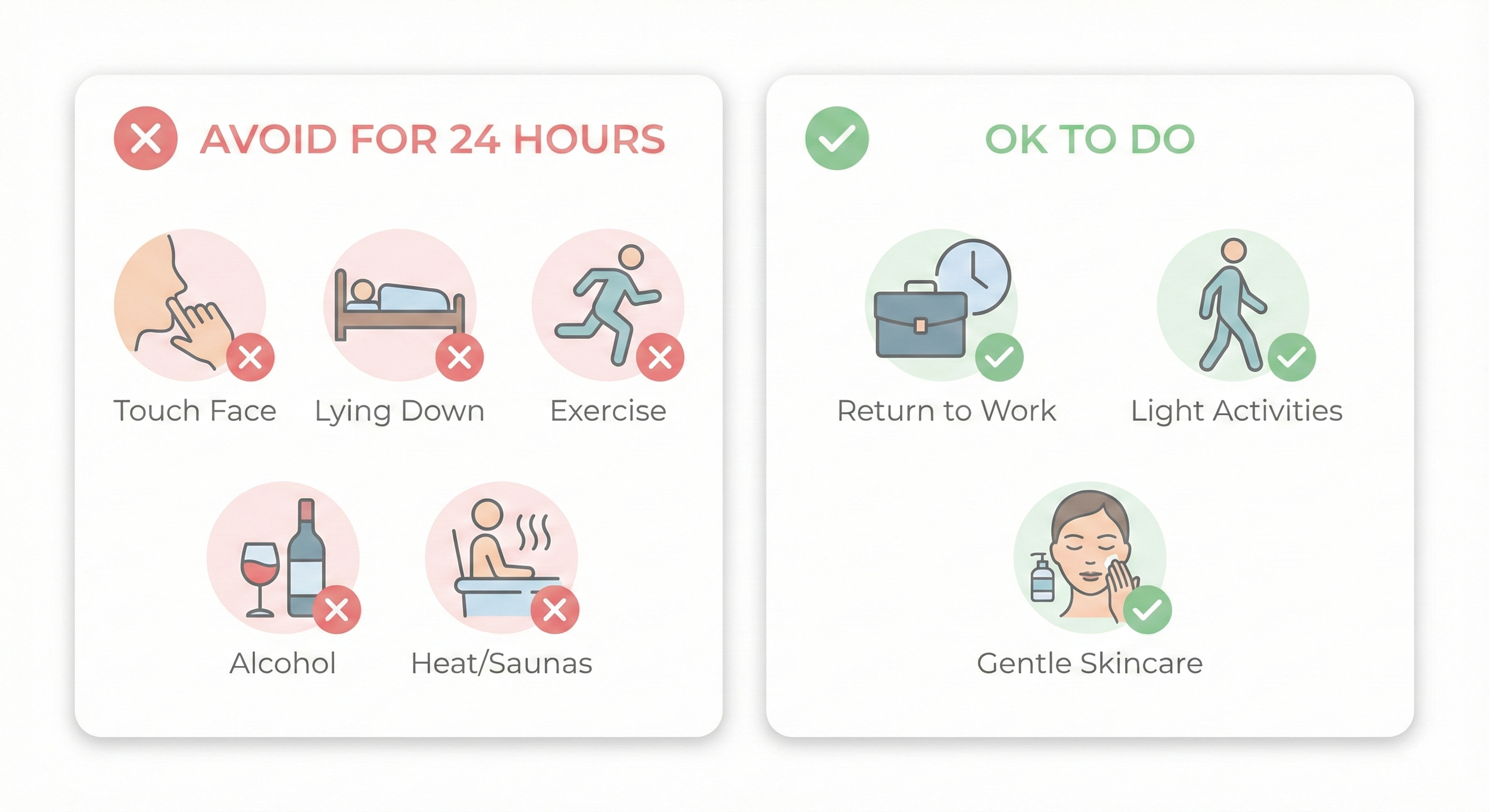
That's really it. Most people return to their normal routine almost immediately after leaving their appointment. You can go back to work, run errands, or meet friends for dinner without any visible signs you just had a treatment.
For a more detailed breakdown, check out our complete aftercare guide covering everything to do and avoid after your appointment.
Are Neuromodulators Right for You?
Neuromodulators work well for many people, but they're not the right fit for everyone. Here's an honest look at who benefits most.
Good candidates typically:
Are bothered by dynamic wrinkles (lines that appear with facial movement)
Want to prevent deeper wrinkles before they set in
Are looking for subtle, natural-looking results
Prefer non-surgical options with no downtime
May not be ideal if you:
Are pregnant or breastfeeding
Have certain neuromuscular conditions like myasthenia gravis
Have unrealistic expectations about what treatment can achieve
Are looking for permanent results
It's important to understand what these treatments can and can't do. Neuromodulators are excellent for smoothing wrinkles caused by muscle movement, but they won't address sagging skin, volume loss, or deep static lines. Those concerns may require fillers, skin tightening treatments, or other approaches.
A consultation is the best way to determine if you're a good candidate and which product might work best for your specific goals and facial anatomy.
Taking the Next Step
Neuromodulators offer a safe, effective, and minimally invasive way to smooth wrinkles and prevent new ones from forming. With several options available, from Botox to Dysport to Xeomin to Jeuveau, there's flexibility to find what works best for your unique needs.
Whether you're considering wrinkle relaxers for the first time or exploring different options after years of treatment, a consultation can answer your specific questions. A skilled provider will assess your facial anatomy, discuss your goals, and help create a treatment plan tailored to what you want to achieve.
Fine lines and wrinkles are a natural part of life. They tell the story of years spent laughing, expressing, and living. But if they bother you, you have options. Today's neuromodulators make it easier than ever to refresh your appearance while still looking like yourself, just a little more rested and refreshed.
Ready to learn more? Schedule a consultation to find out what's possible for you.