Hair Restoration Treatments: Solutions for Hair Loss & Thinning
Hair loss is more than a cosmetic concern. It changes how you feel when you catch your reflection, how confidently you walk into a room, and sometimes even how you interact with the people around you. Whether you've noticed your part getting wider, your hairline creeping back, or your ponytail feeling thinner than it used to, watching your hair change can be frustrating and disheartening.
The good news? Non surgical hair restoration has completely transformed what's possible for people dealing with thinning hair. You no longer have to choose between invasive surgery or crossing your fingers that over-the-counter products might work. Today's hair restoration treatments tap into your body's own regenerative abilities to wake up sluggish follicles, strengthen weakening strands, and encourage new growth naturally.
This guide walks you through everything you need to know about hair restoration therapies: what they are, how they actually work, what kind of results you can realistically expect, who sees the best outcomes, and exactly what happens during treatment.
But first, it helps to understand what's actually going on with your hair and why it's thinning in the first place.
Understanding Hair Loss: Causes and When to Seek Treatment
Hair loss rarely has a single cause. For most people, it's a combination of factors working together over time.
Genetics play the biggest role. If your parents or grandparents dealt with thinning hair, there's a good chance you will too. Hormones are another major factor, particularly DHT (dihydrotestosterone), which shrinks hair follicles and shortens the growth cycle. Thyroid imbalances, menopause, and postpartum hormonal shifts can also trigger noticeable shedding. Add in chronic stress, natural aging, nutritional deficiencies, or underlying medical conditions, and it's easy to see why so many people struggle with thinning hair.
The emotional toll is real. Watching your hair change can shake your confidence, make you self-conscious in photos, and leave you spending way too much time trying to style around problem areas. Many people put off seeking help because they assume nothing can be done, or they're not ready to consider surgery. That hesitation is understandable, but it often means missing the window when treatment is most effective.
Here's the good news: hair restoration treatments have come a long way. You're no longer limited to surgical transplants or hoping minoxidil does something. Today's medical spa treatments include advanced, non surgical hair restoration options that work with your body's natural healing processes to stimulate real regrowth.
Hair loss looks different depending on who you are. Men typically notice recession at the temples and thinning at the crown. Women more often experience diffuse thinning across the scalp, with the part gradually widening while the hairline stays intact.
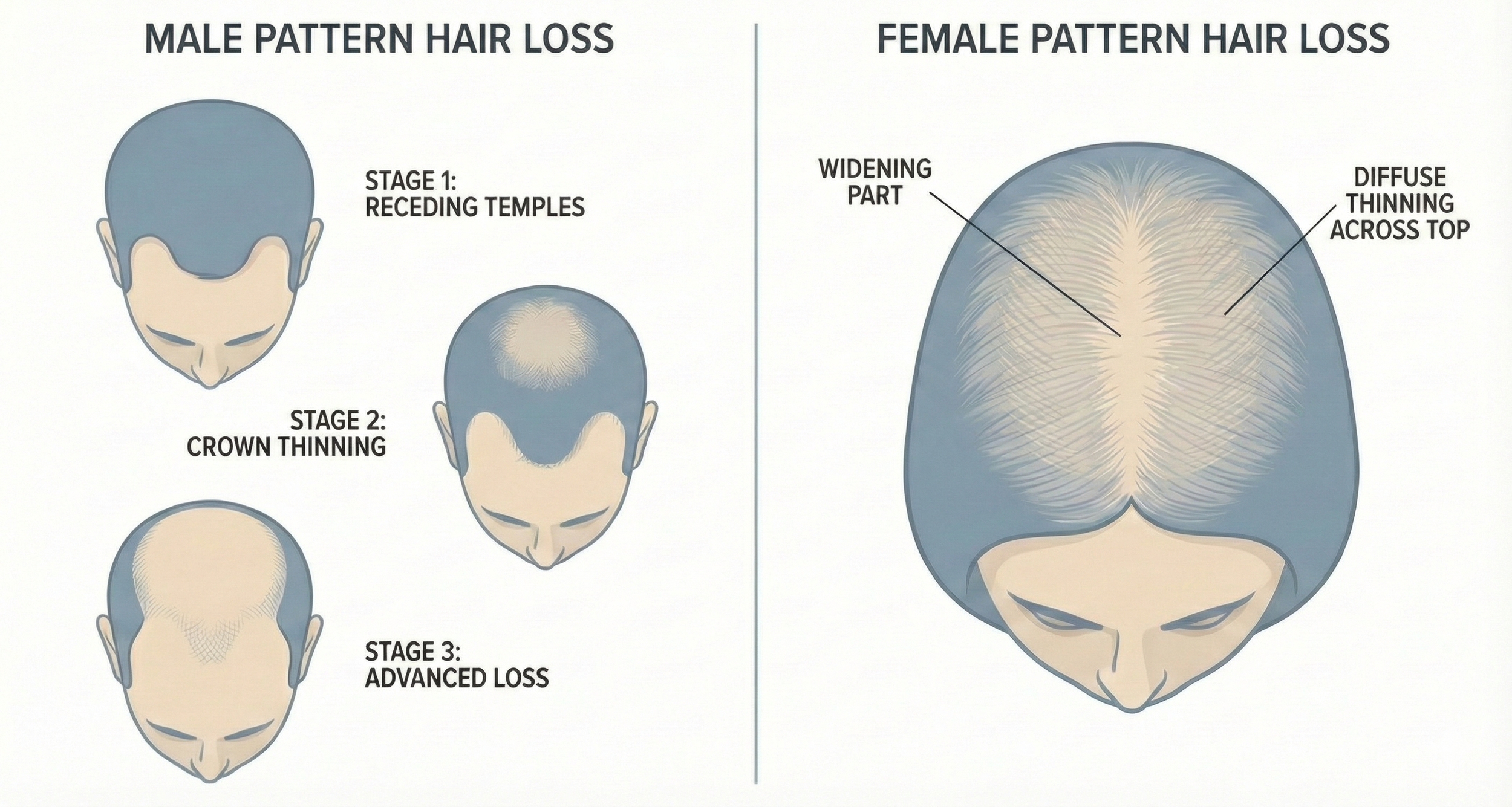
Regardless of the pattern, early intervention matters. Treatments work best on follicles that are weakened but still active. Once a follicle has been dormant too long, reviving it becomes much harder. If you've started noticing changes, now is the time to explore your options.
Non Surgical Hair Restoration Options
Not long ago, people dealing with significant hair loss had limited choices: accept it, try topical products with mixed results, or undergo surgical transplant procedures. Today, non surgical hair restoration has opened up a middle path that delivers real results without the commitment and cost of surgery.
These treatments have gained popularity for good reason. There's no downtime, no incisions, and no lengthy recovery period. They're more affordable than transplant surgery, which can easily run $10,000 or more. Most importantly, they work with your body's natural healing mechanisms rather than relying solely on medications or moving hair from one area to another.
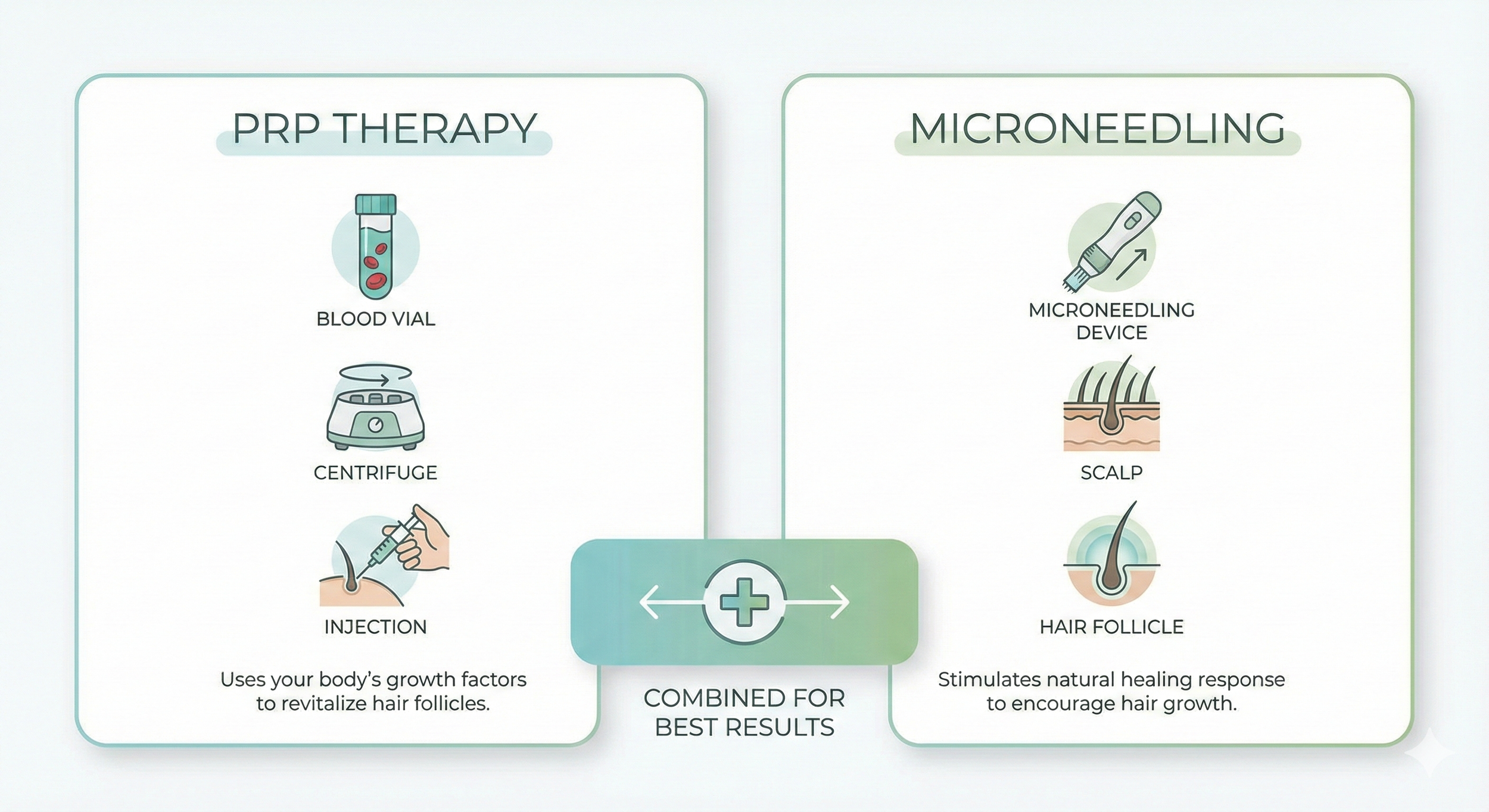
Several effective options exist, but two have emerged as the go-to treatments at medical spas: PRP (platelet-rich plasma) therapy and microneedling. Both stimulate your scalp's natural regeneration processes, and they can be used individually or combined for enhanced results.
Our hair restoration services focus on both options. Let's break down exactly how it works and what the process involves.
PRP Therapy (Platelet-Rich Plasma)
PRP stands for platelet-rich plasma, and it's exactly what it sounds like: a concentrated solution of your own blood's healing components. Platelets contain growth factors that your body naturally uses to repair damaged tissue and stimulate new cell growth. PRP therapy harnesses these growth factors and puts them to work on your scalp.
The process is straightforward. A small blood sample is drawn from your arm, similar to routine lab work. That sample goes into a centrifuge, which spins it at high speed to separate the components. The result is a golden plasma layer packed with 3-5 times more platelets than your regular blood. This concentrated PRP is then injected into areas of your scalp where thinning is occurring.

Once injected, those growth factors get to work. They wake up dormant follicles, strengthen weakened ones, increase blood supply to the scalp, and trigger the natural regeneration process that leads to thicker, healthier hair.
PRP has become one of the most research-backed hair restoration treatments available. It's FDA-cleared, minimally invasive, and because it uses your own blood, side effects are rare. Most people experience only mild redness or tenderness at the injection sites.
For a deeper dive into the science and process, check out our guide on PRP hair restoration.
Microneedling for Hair Restoration
Microneedling uses a device equipped with tiny needles to create controlled micro-injuries across the scalp. While intentionally creating small wounds might sound counterintuitive, it's precisely this controlled damage that makes the treatment effective.
When your scalp experiences these micro-injuries, your body kicks into healing mode. It increases blood flow to the area, ramps up collagen production, and sends growth factors to repair the tissue. This natural wound healing response stimulates hair follicles and creates a healthier environment for hair growth. The micro-channels also enhance absorption of any topical treatments applied to the scalp, allowing active ingredients to penetrate deeper than they normally would.
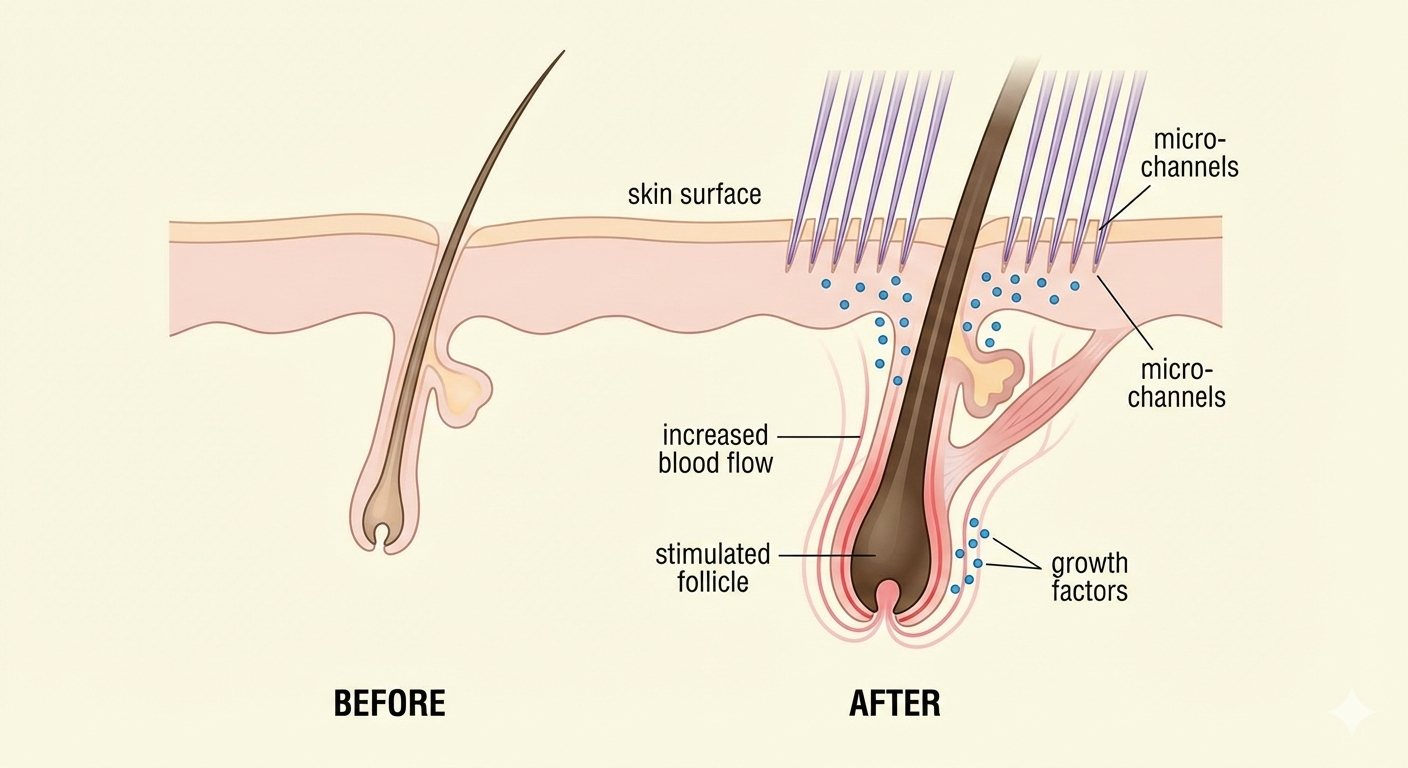
Microneedling works well as a standalone non surgical hair restoration treatment, but it really shines when combined with PRP. Performing microneedling immediately before PRP allows those concentrated growth factors to absorb directly into the freshly created micro-channels, amplifying the benefits of both treatments.
The procedure itself takes about 30-45 minutes. A numbing cream is applied beforehand to keep you comfortable. Afterward, mild redness is normal and typically fades within a day or two. Like most hair restoration approaches, multiple sessions spaced several weeks apart produce the best results.
Microneedling is a solid choice for people who want to start with a less intensive option or for those looking to get the most out of their PRP treatments.
Combining Treatments for Better Results
While PRP and microneedling each deliver results on their own, combining them often produces better outcomes than either treatment alone.
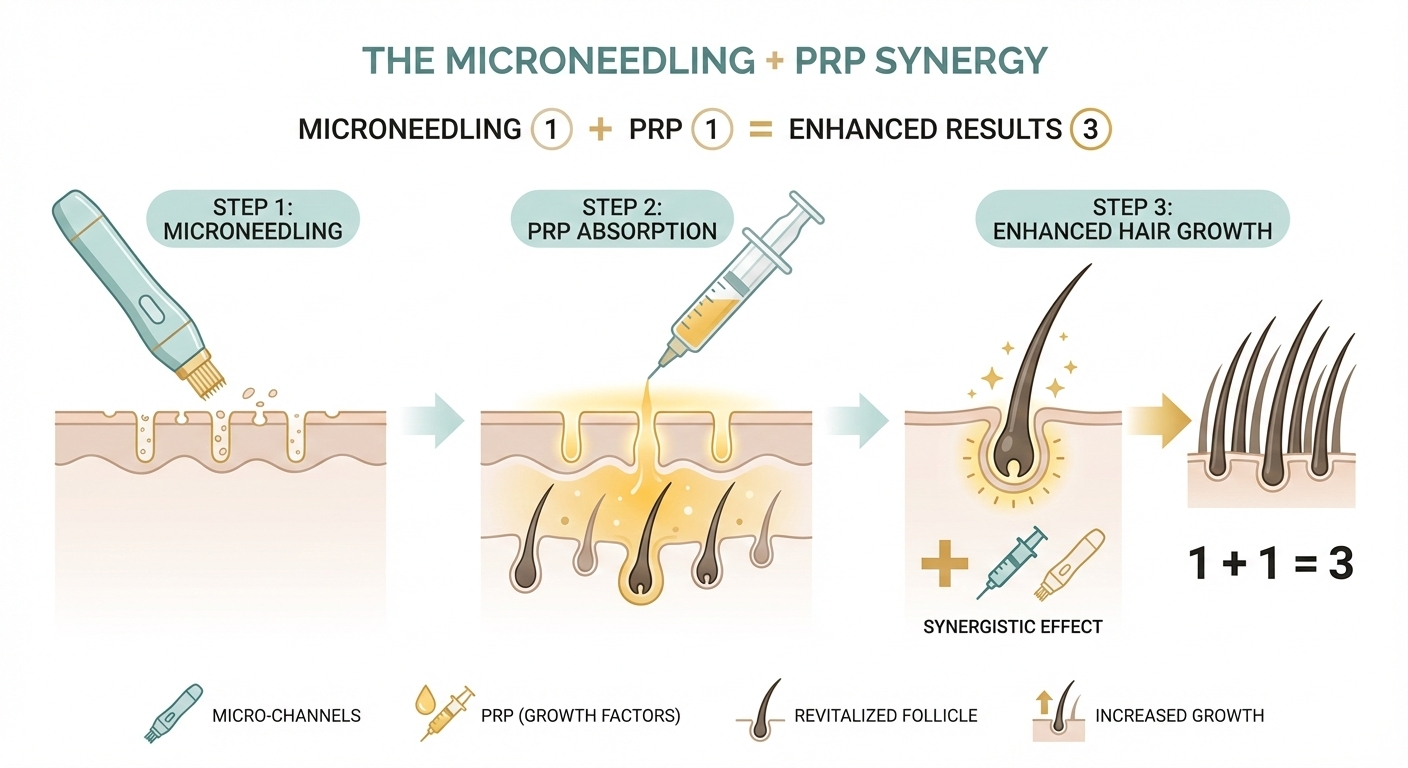
The synergy makes sense when you understand how they work together. Microneedling creates thousands of micro-channels across your scalp, which allows PRP to absorb more deeply than surface-level injection alone. At the same time, those controlled micro-injuries kickstart your body's healing response. When you add PRP into the mix, you're supercharging that natural healing process with concentrated growth factors. The result is a one-two punch that addresses hair loss from multiple angles.
Many providers recommend combination protocols, particularly for patients with moderate thinning who want to maximize their results. Treatment plans vary based on individual needs. Some people receive both treatments during the same appointment, while others alternate between PRP and microneedling sessions over several months.
The best approach depends on your specific hair loss pattern, how far it's progressed, and your goals. Your provider can evaluate your situation and recommend a protocol tailored to you.
What to Expect: Treatment Process and Timeline
Knowing what to expect helps take the anxiety out of any new treatment. Here's a practical look at what these appointments involve and when you can expect to see changes.
The Treatment Experience
A PRP appointment starts with a simple blood draw from your arm, just like getting lab work done. While that blood processes in the centrifuge for about 10-15 minutes, your scalp is cleaned and prepped. Then the concentrated PRP is injected into thinning areas using a fine needle.
For microneedling, a topical numbing cream is applied first and left on for about 20-30 minutes. Once your scalp is numb, the microneedling device is moved across the treatment areas. Combination appointments follow both steps in sequence and take slightly longer overall.
Most appointments run 45-90 minutes depending on your treatment plan.
Comfort Level
Neither procedure is considered painful by most patients. Topical numbing beforehand makes a big difference. PRP injections feel like mild pressure or light pinching. Microneedling causes a slight vibrating sensation with minor discomfort. Most people are surprised by how tolerable both treatments are.
Aftercare
Downtime is minimal. You can return to work the same day. Some redness and tenderness at the treatment sites is normal and typically fades within a day or two. Avoid washing your hair for 24 hours and skip intense workouts for 24-48 hours.
Treatment Schedule and Results Timeline
Hair restoration treatments aren't one-and-done. A typical protocol involves 3-4 initial sessions spaced 4-6 weeks apart, followed by maintenance treatments once or twice a year.
Results take time. Most people notice initial improvements around the 3-4 month mark, like reduced shedding or fine baby hairs appearing in thinning areas. Continued improvement develops over 6-12 months. Patience is essential since hair grows slowly, but the gradual change means results look completely natural.
Who Is a Good Candidate for Non Surgical Hair Restoration?
These treatments work well for many people, but they're not the right fit for everyone. Here's an honest look at who benefits most.
Best Candidates
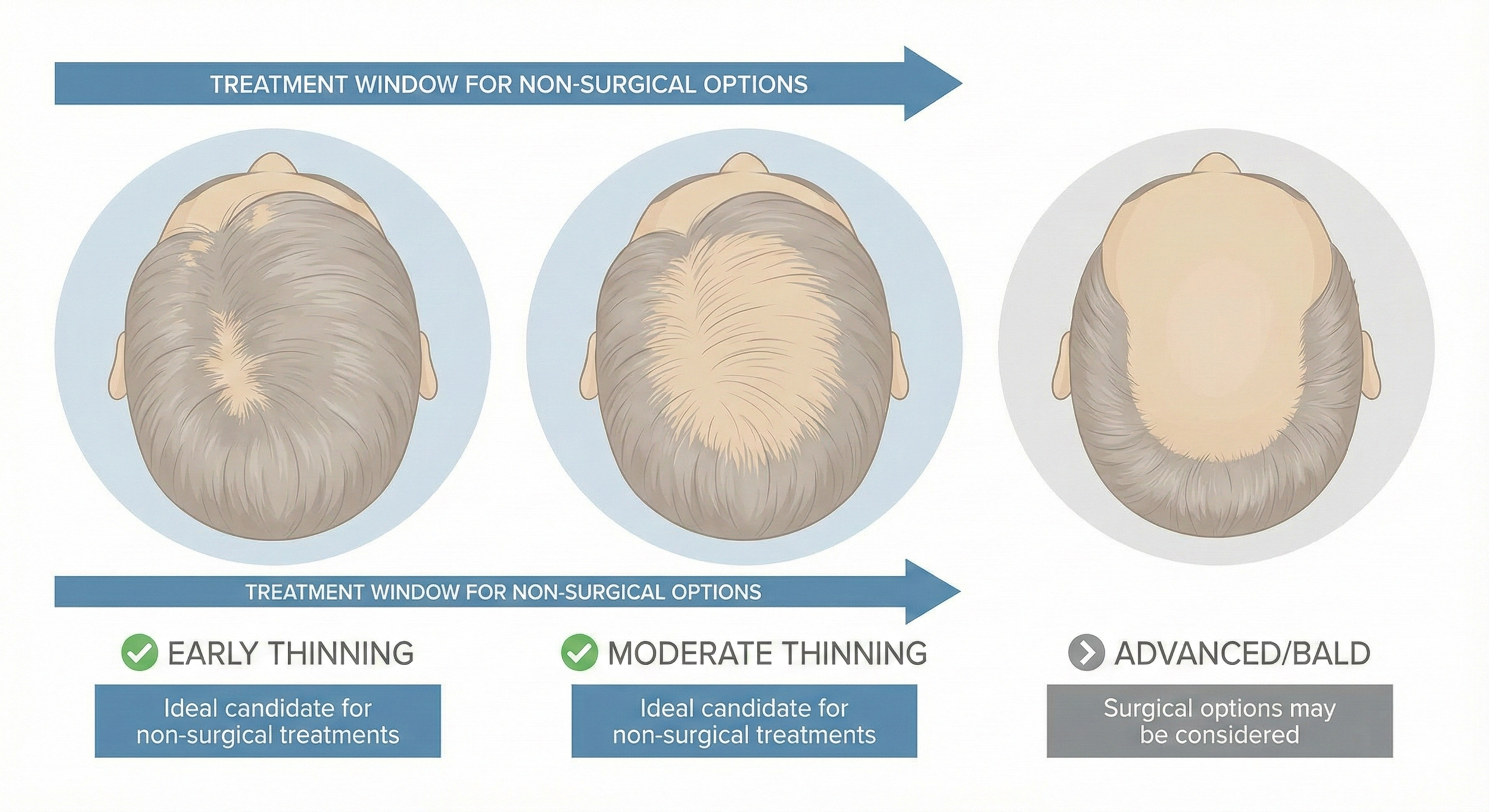
The ideal candidate has early to moderate hair loss with active follicles still present. If you're noticing thinning, a widening part, or less density than you used to have, but you haven't progressed to complete baldness in those areas, you're likely in a good position to respond well.
Both men and women benefit equally from these treatments. They're particularly effective for androgenic alopecia (pattern hair loss), which is the most common type, but they can also help with other forms of thinning caused by stress, hormonal changes, or nutritional factors.
Good Expectations Matter
The best candidates understand what these treatments do and don't do. PRP and microneedling stimulate and strengthen existing follicles. They don't create new hair from nothing. If you're willing to commit to a treatment series and ongoing maintenance rather than expecting a one-time fix, you're set up for success.
Who May Need Other Options
Areas of complete baldness where no hair has grown for years are unlikely to respond. Those follicles have been dormant too long to revive. Surgical transplant may be a better path for restoring hair in those areas. People with certain blood disorders, those taking blood thinners, or anyone with active scalp infections or conditions should discuss their situation with a provider before proceeding.
Age Considerations
There's no strict age limit. However, earlier intervention generally yields better results. Someone addressing thinning in their 30s or 40s typically responds better than someone with decades of progressive loss. That said, non surgical hair restoration can still help strengthen and preserve remaining hair at any age.
If you're catching hair loss early and want to avoid surgery, a consultation can determine whether you're a good candidate.
Non Surgical vs. Surgical Hair Restoration
Both approaches have their place. The right choice depends on where you are in your hair loss journey and what you're hoping to achieve.
Non Surgical Options (PRP, Microneedling)
These treatments work best for early to moderate thinning. There are no incisions, no anesthesia, and no surgical recovery to deal with. Side effects are minimal, and you can return to normal activities the same day.
The cost per session is lower than surgery, though you'll need ongoing maintenance treatments to sustain results. These options work by strengthening existing follicles and stimulating dormant ones, producing gradual, natural-looking improvement over several months.
Surgical Hair Transplant
Transplant surgery is better suited for advanced hair loss or areas of complete baldness. It involves moving hair follicles from dense donor areas to thinning or bald spots. Because the transplanted hair is your own, it continues growing permanently.
The trade-off is a higher upfront cost, typically $10,000 or more, along with a surgical procedure that requires recovery time. However, transplants can restore hair in areas where follicles are no longer active, something non surgical treatments can't do.
When Each Option Makes Sense
Non surgical hair restoration makes sense if you're in the early stages of hair loss, you want to preserve and strengthen what you have, you're not ready for surgery, or you want to try less invasive options first.
Surgery might be the better route if you have significant baldness you want to restore, non surgical treatments haven't delivered the results you hoped for, or you prefer a one-time procedure over ongoing maintenance.
The Combination Approach
Many people use both. Some start with PRP and microneedling to slow loss and strengthen existing hair, then consider transplant later if needed. Others get transplants first and use PRP afterward to support graft survival and maintain overall hair health.
Maximizing Your Hair Restoration Results
Getting the most from your hair restoration treatments comes down to commitment and consistency. Here's how to set yourself up for the best possible outcome.
Complete the Full Series
The biggest mistake people make is stopping after one or two sessions because they haven't seen dramatic changes yet. These treatments build momentum. Each session compounds on the previous one, progressively strengthening follicles and stimulating growth. The full 3-4 session protocol exists for a reason. Don't shortchange your investment by quitting early.
Follow Aftercare Instructions
Your provider's guidelines aren't suggestions. Avoid washing your hair for 24 hours post-treatment. Skip intense workouts for a day or two. Be gentle with your scalp during the healing window. These small steps protect your results.
Support Hair Health at Home
What you do between appointments matters. Good nutrition plays a role in hair health, so focus on adequate protein, iron, biotin, and zinc. Manage stress when possible since chronic stress contributes to hair loss. Go easy on heat styling and tight hairstyles that pull on follicles. Ask your provider about recommended products or supplements that can support your progress.
Track Progress
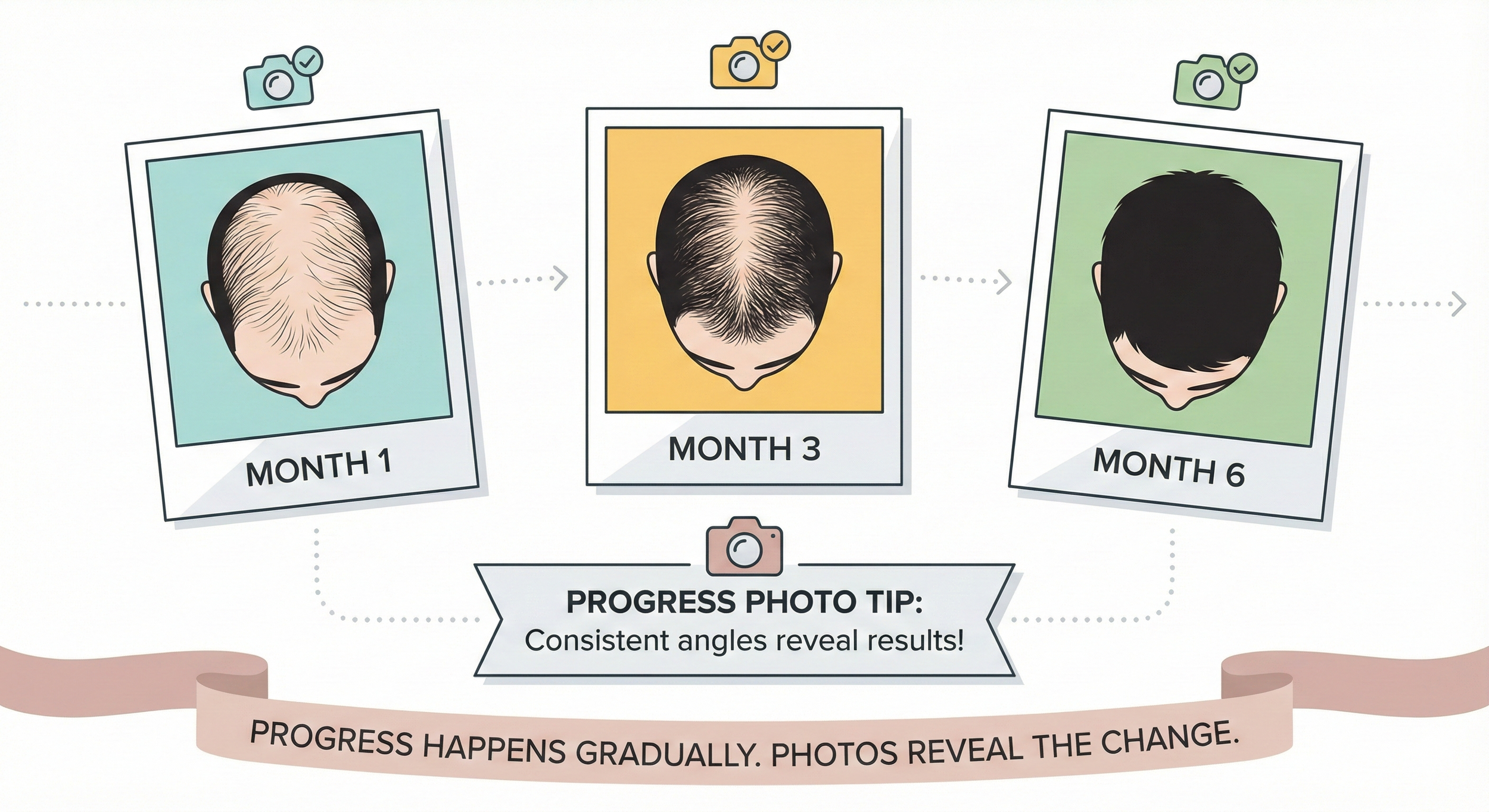
Take photos every 4-6 weeks in the same lighting and angle. Changes happen gradually, and you see yourself every day. Comparing month one to month six often reveals improvements you wouldn't notice otherwise.
Stay Consistent with Maintenance
Once you achieve results, maintenance treatments once or twice a year help sustain them. Skipping maintenance can lead to gradual regression over time.
Communicate with Your Provider
If you have concerns or aren't seeing the progress you expected, speak up. They can adjust your treatment plan or help recalibrate your expectations.
Taking the Next Step Toward Hair Restoration
Non surgical hair restoration options like PRP therapy and microneedling have changed what's possible for people dealing with thinning hair. You no longer have to choose between invasive surgery, medications with uncertain results, or simply accepting hair loss as inevitable. These treatments work with your body's natural processes to strengthen follicles, stimulate growth, and restore thickness gradually.
Timing matters more than most people realize. The sooner you address thinning, the more active follicles you have to work with and the better your potential results. Waiting until hair loss has significantly progressed limits what any treatment can achieve. The follicles you have today are the ones worth protecting.
Ask yourself a few questions. Is hair loss affecting your confidence or how you feel about your appearance? Have you noticed progressive thinning over months or years? Are you looking for something beyond the over-the-counter products that haven't delivered? Are you open to a treatment series rather than expecting overnight transformation?
If you answered yes to any of these, a consultation is the logical next step. It's the best way to have your hair loss assessed, learn which treatment approach fits your situation, and understand what realistic outcomes look like for you specifically. Schedule a consultation to get personalized answers.
Hair loss is frustrating, but it doesn't have to be something you simply accept. Today's hair restoration treatments offer real solutions for people ready to take action. Explore our full range of services and find out what's possible.