Skin Rejuvenation Treatments: Restore Your Natural Glow
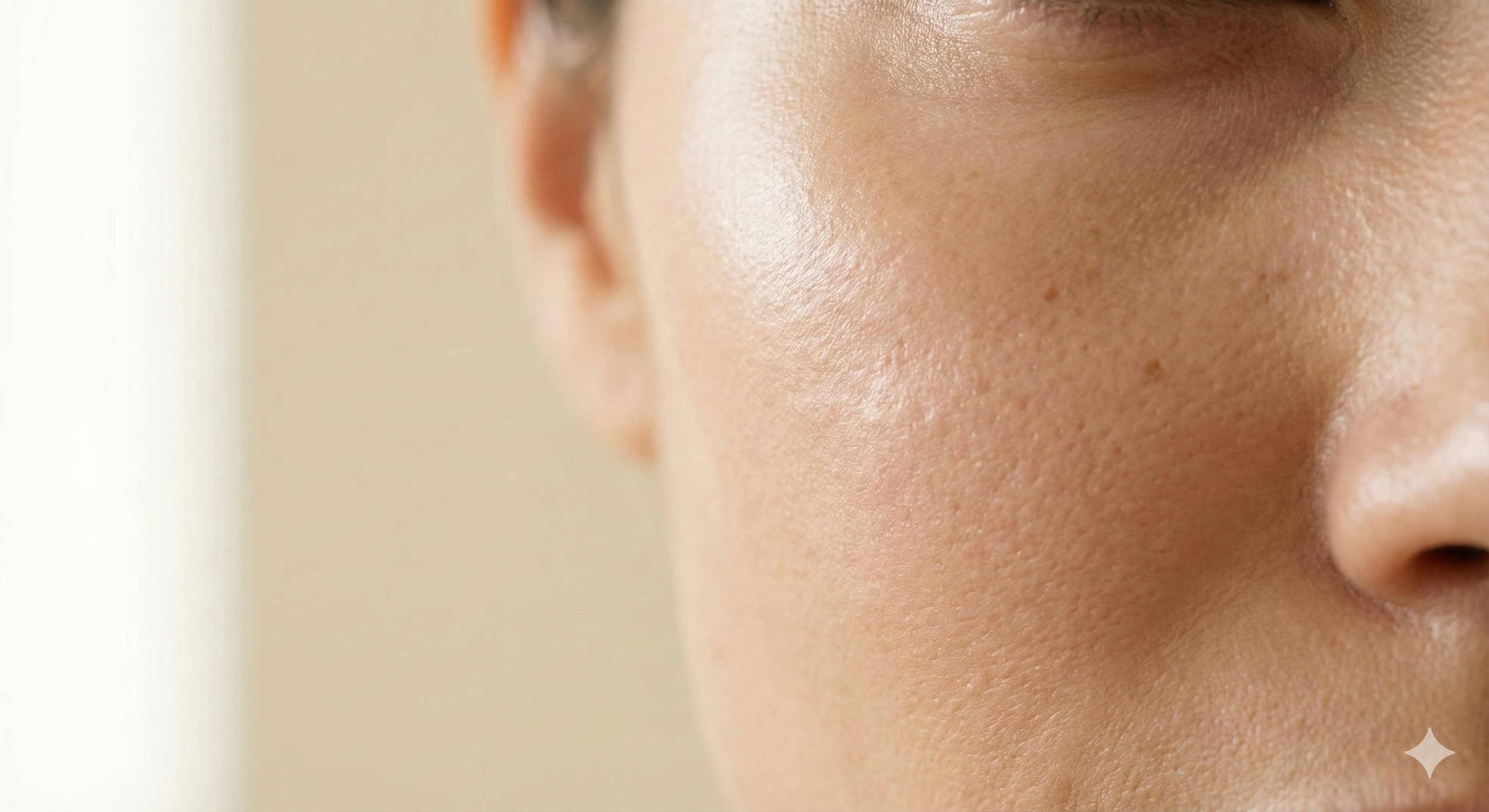
Your skin tells the story of your life. Every late night cramming for exams, every stressful work deadline, those carefree beach vacations where sunscreen was an afterthought. It's all written on your face. And here's the thing: sometimes you want to edit that story just a little bit.
So what is skin rejuvenation, exactly? Think of it as hitting the refresh button on your skin. It's about renewing and brightening your complexion, addressing those concerns that chip away at your confidence, and bringing back that natural glow you remember having. This isn't about transforming into someone else or pretending the past didn't happen. It's about looking like the best, most rested version of yourself.
People seek out skin rejuvenation treatments for all kinds of reasons. Maybe you're dealing with acne scars that have stuck around way longer than the actual acne did. Or sun damage that's showing up as dark spots and uneven tone. Perhaps it's rough texture that no amount of expensive moisturizer seems to smooth, or fine lines that seemingly appeared overnight.
Whatever's bothering you about your skin, there are treatments that can genuinely help. This guide walks you through the main options available at medical spas: microneedling and chemical peels. We'll cover how they actually work, what they can realistically fix, and how to figure out which one makes sense for your goals.
But first, let's talk about identifying what's actually bothering you about your skin.
Understanding Your Skin Concerns
Before we dive into specific treatments, it helps to get clear on what's actually bothering you. Sometimes it's super obvious (hello, acne scars that have overstayed their welcome). But other times? It's harder to put into words. You just look in the mirror and think, "My skin used to look better than this." You're not imagining it.
Acne Scars & Texture
These are the souvenirs nobody asked for. We're talking about those indented scars (the ones that look like tiny craters), rough patches that feel bumpy to the touch, and overall uneven texture. Foundation settles into them. They catch the light in all the wrong ways. And no matter how much you blur your selfies, they're still there in real life.
Hyperpigmentation & Sun Damage
Dark spots, age spots, melasma, freckles that have multiplied and merged. Uneven skin tone that makes you look tired even when you're well-rested. The frustrating part? These don't fade with your regular drugstore creams. They're stubborn.
Fine Lines & Early Aging Signs
Those lines that used to only show up when you smiled? Now they're hanging around even when your face is totally relaxed. There's also that crepey texture that's started appearing, especially around your eyes. And somehow your skin has lost that plump, dewy look it used to have.
Rough Texture & Large Pores
Your skin feels rough when you run your hand across it. It looks dull instead of glowy. Your pores are visible and bothering you. And your skin just doesn't reflect light the way smooth, healthy skin does.
Here's why pinpointing your main concern matters: different skin rejuvenation treatments excel at different things. Knowing what's bothering you most helps guide you toward the treatment that'll actually fix it. And if you're thinking "I have like three of those concerns," you're not alone. Most people deal with multiple skin issues at once, and many treatments can tackle several problems simultaneously.
What Is Skin Rejuvenation? The Science Made Simple
Let's talk about what actually happens to your skin over time. Sun exposure damages cells at the DNA level. Your skin's natural exfoliation process slows down, so dead skin cells pile up instead of shedding. Collagen production decreases, which means your skin gets thinner and loses that bouncy quality. And past trauma, like acne, leaves marks behind that don't always fade on their own.
So what is skin rejuvenation? It's basically hitting your skin's refresh button. These treatments work in one of two ways:
First, there's the "remove and reveal" approach, which removes damaged outer layers so the fresh, healthy skin underneath can come to the surface. Think of it like peeling away the worn top layer to reveal the good stuff beneath.
Second, there's the "trigger and rebuild" method. This creates controlled micro-injuries that flip your skin into healing mode. Your body rushes to repair the "damage," building new collagen and fixing itself from within.
Here's an important distinction: we're not talking about the relaxing facial you get at a regular spa. Those feel amazing but don't create real, lasting change. Medical-grade skin rejuvenation treatments actually restructure your skin at a deeper level. That's why they're performed at medical spas under professional supervision.
Now for the reality check: these treatments can make dramatic improvements, but they work gradually. You're not going to wake up the next morning with completely different skin. Think of it like upgrading your phone's operating system. It takes a few updates to get all the benefits, but once everything's running smoothly, the difference is totally worth it.
Microneedling: Triggering Your Skin's Healing Mode
Let's talk about microneedling. The name alone sounds scary, right? But this treatment is actually pretty incredible once you understand what's happening.
What It Is & How It Works
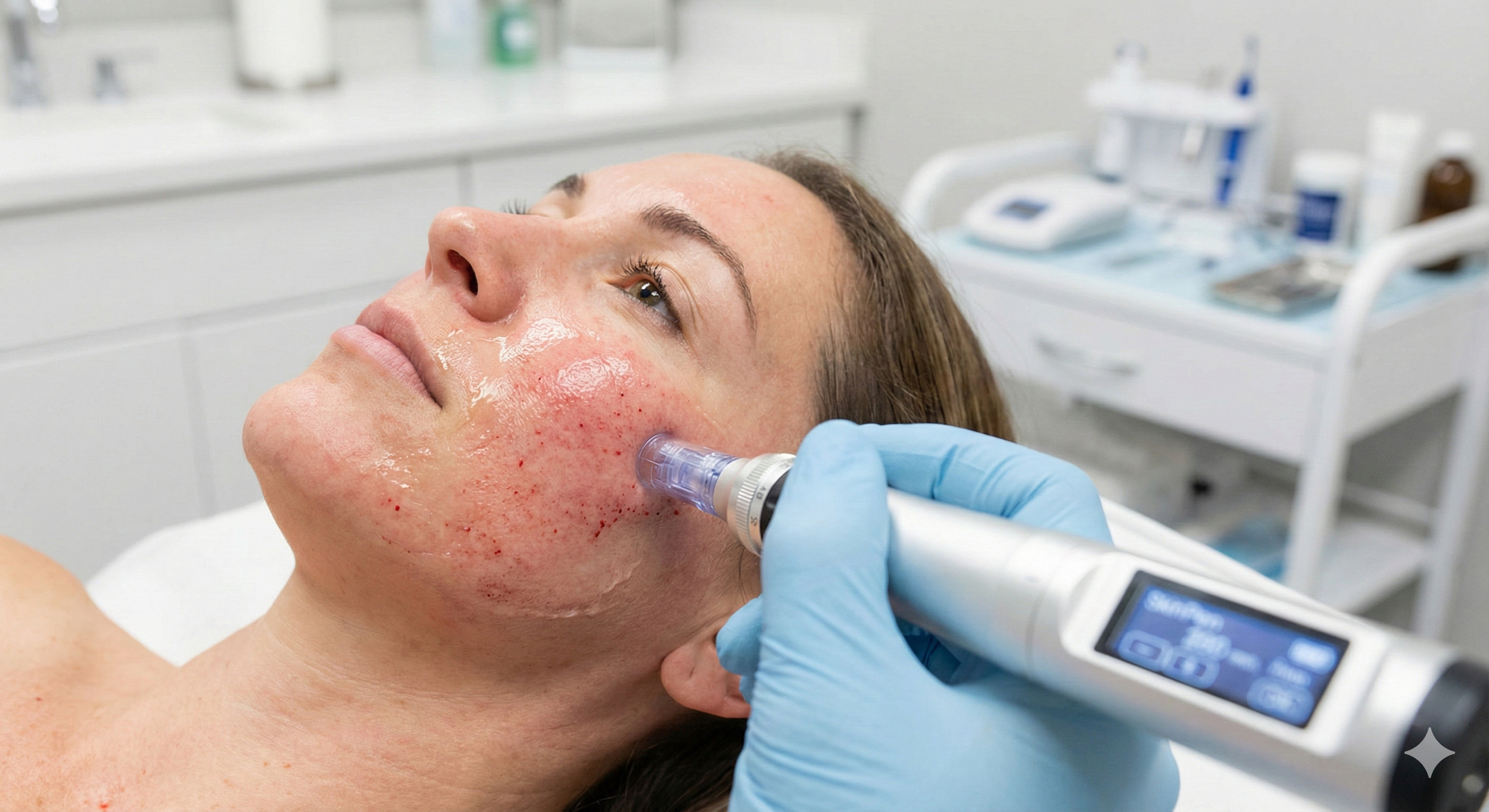
Tiny, sterile needles create thousands of microscopic channels in your skin. These are controlled micro-injuries that trick your skin into thinking it needs to repair itself. When your skin goes into healing mode, it floods the area with growth factors and starts building fresh, new collagen. You're basically hacking your skin's natural repair system.
What It Treats Best
Microneedling is amazing for acne scars (especially those indented ones), rough or uneven texture, fine lines and early wrinkles, large pores, and overall dullness. If your concern is something where you need to rebuild structure from within, microneedling is your friend.
The Experience & Recovery
They'll apply numbing cream first so you don't feel much. Most people describe it as light sandpaper being moved across their skin. Not painful, just weird. The whole thing takes about 30-45 minutes. Afterward, your face will be red like a sunburn for a day or two.
You'll start seeing improvements around 4-6 weeks, with continued improvement over several months as collagen builds. Most people need 4-6 treatments spaced about a month apart for optimal results. Yes, it's a commitment, but the results are worth it.
Who It's Good For
Microneedling works on all skin types and tones, which is a huge advantage. It's ideal if you want to address scarring or texture without harsh chemicals, and if you're patient enough to commit to a series. Some people add PRP (platelet-rich plasma from your own blood) for even better results, often called the "vampire facial."
Chemical Peels: Resurfacing From the Outside In
Let's demystify chemical peels, because there's a lot of unnecessary fear around them.
What They Are & How They Work
Chemical peels use medical-grade acids to dissolve the bonds holding dead and damaged skin cells together. They're giving your skin permission to shed all the junk it's been holding onto, revealing fresher skin underneath. Think of it like peeling away the worn top layer of an old book to reveal clean pages beneath.
Peel Depths
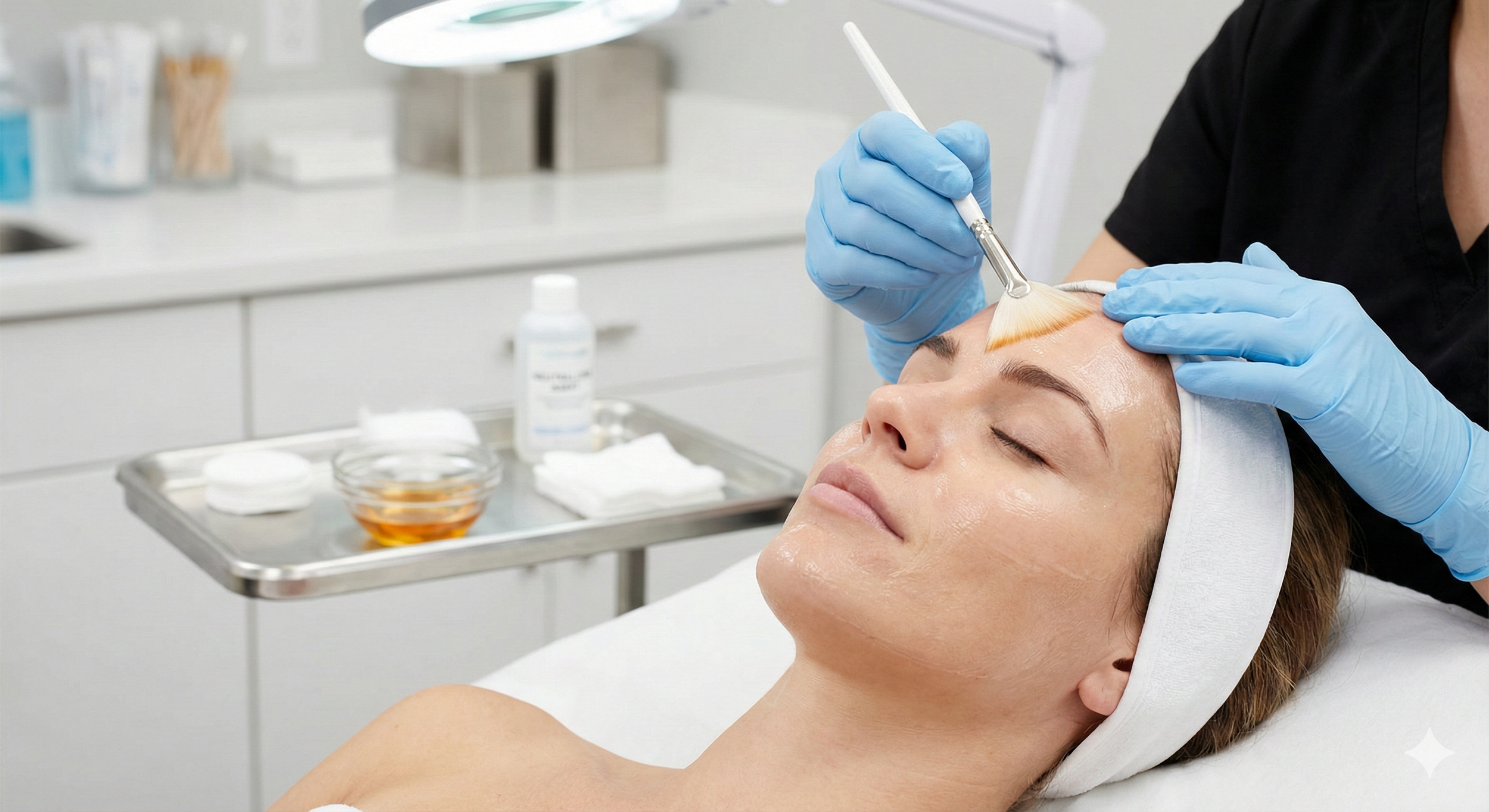
Superficial peels are gentler, work on the surface, and need no real downtime. You might get some light flaking, but nothing dramatic. The name "peel" is actually misleading here because you might not peel at all, just look glowy.
Medium peels go deeper to address more significant concerns. These involve actual visible peeling for about a week. It's not painful, just not your cutest week. Plan accordingly.
What They Treat Best
Peels are superstars for hyperpigmentation and dark spots (like an eraser for sun damage), dull and uneven skin tone, fine lines and early wrinkles, active acne and clogged pores (especially salicylic acid peels), and rough texture. They're all about creating an even, radiant complexion.
The Experience & Recovery
During application, you'll feel tingling or mild burning with superficial peels, or more intense warmth with medium peels. The sensation doesn't last long. With superficial peels, you can go right back to life. With medium peels, plan for about a week of visible peeling.
Superficial peels work best as a series (every 2-4 weeks for a few months), while medium peels deliver more dramatic results but are done less frequently (every 3-6 months). Many people do a series to address concerns, then maintenance peels to keep results.
Microneedling vs Chemical Peels: Which One Is Right for You?
Here's the question everyone asks: "So which one should I get?" It depends on what's bothering you most.
Choose Microneedling If:
You're dealing with acne scars or texture issues
Your main concern is loss of firmness or early aging
You want to build collagen from within
You have darker skin tones (safer for all skin types)
Choose Chemical Peels If:
Hyperpigmentation or uneven tone is your biggest complaint
Sun damage is all over your face
You're dealing with active acne or clogged pores
You want immediate glow and brightness
Can You Do Both?
Many people actually benefit from both. They work differently and complement each other beautifully. Some providers alternate them (microneedling one month, peel the next) or use peels for maintenance between microneedling series.
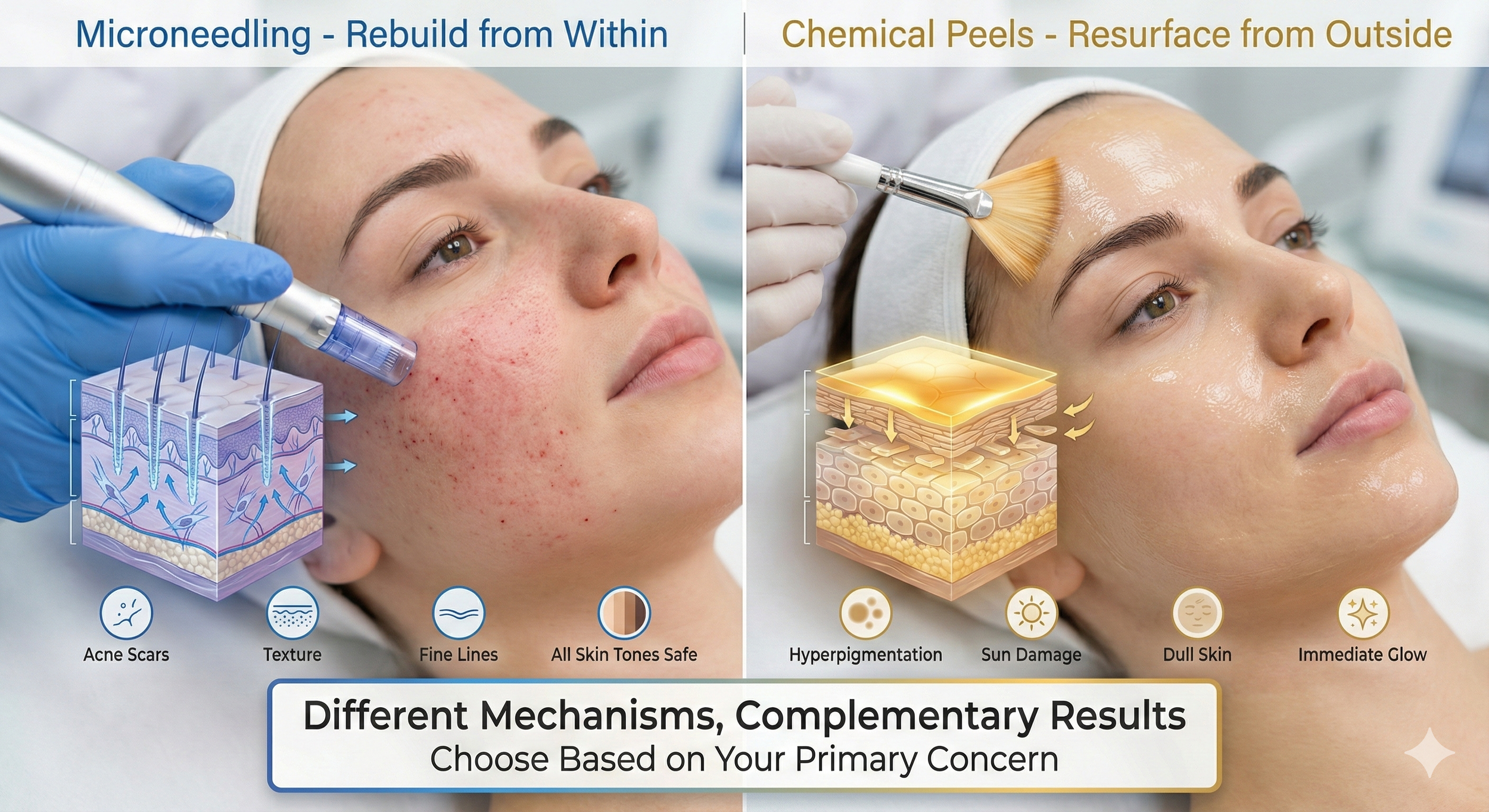
So what is the best skin rejuvenation treatment? There's no single "best" treatment because everyone's skin is different. The best one is whatever targets YOUR specific concern. That's why consultations matter. Providers can look at your actual skin and recommend what will work for you specifically. The best results often come from combining treatments over time, not picking just one.
What to Expect: The Treatment Journey
Let's walk through what actually happens so there are no surprises.
The Consultation
It starts with a conversation. Your provider will examine your skin, ask what's bothering you, discuss your goals, and recommend a treatment plan. This is your chance to ask questions. They'll also take before photos for tracking your progress (and may post them on social media if you provide consent).
Pre-Treatment & Day-Of
Show up with clean, makeup-free skin. Avoid retinol and acids for a few days before. Whether it's microneedling or a peel, treatments take 30-60 minutes. There's usually some discomfort but nothing unbearable. Most people say it's not as bad as they feared.
Recovery & Results
You'll be red for at least a day or two. You might peel or flake. Plan accordingly for big events. It's manageable and temporary. Results aren't instant. Your skin is doing its thing beneath the surface. Real improvements show up over weeks and months. With microneedling, you're looking at 4-6 weeks before you start seeing changes. With peels, you get some immediate brightness, but deeper improvements take time.
Series vs Single Treatments
These aren't one-and-done. You'll need a series (typically 3-6 sessions) for optimal results, then maintenance treatments to keep your skin looking good. Think of it like the gym. One workout won't transform you, but consistent effort does.
Taking Care of Your Investment: Aftercare & Maintenance
You just spent time and money on improving your skin. Let's make sure you get the results you paid for.
Keep your skin clean but gentle (no harsh scrubbing). Moisturize constantly because your skin is healing. And absolutely no sun exposure without serious SPF. Your provider will give you specific instructions. Actually follow them. Skipping aftercare can mess up your results.
What to Avoid: No retinol, acids, or active ingredients until cleared (usually a week). No picking at peeling skin. No intense workouts for a few days. No hot yoga, saunas, or steam rooms for at least a week.
Sun Protection Is Non-Negotiable: If you're investing in skin rejuvenation treatments and then baking in the sun without protection, you're throwing your money away. SPF 30+ every single day. Cloudy? Wear it. Winter? Wear it. This isn't optional.
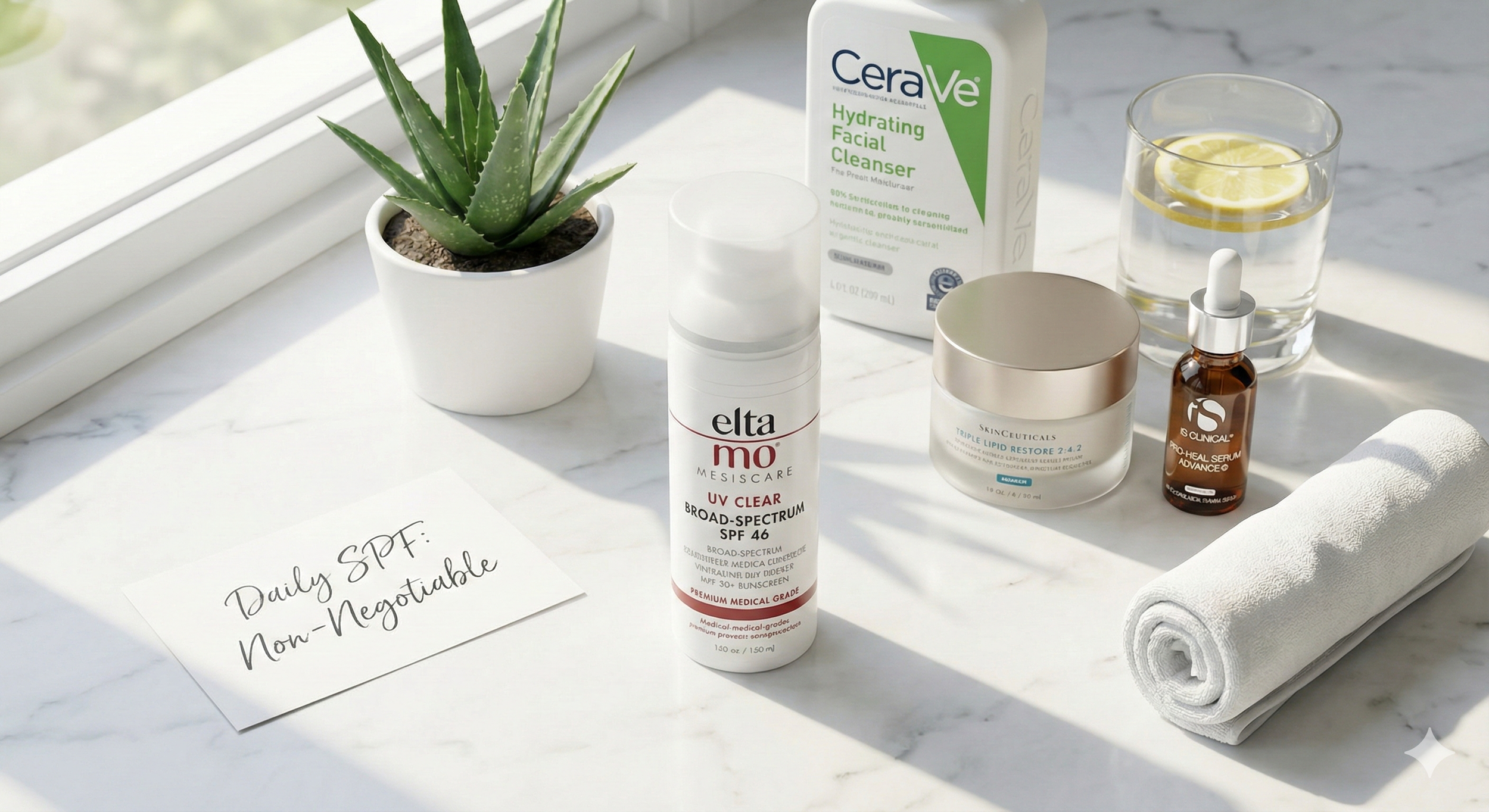
What you do at home matters. A solid skincare routine (gentle cleanser, moisturizer, SPF) helps maintain results. Think of this as an investment. Plan for maintenance treatments once or twice a year, plus daily sun protection and good skincare habits.
Is Skin Rejuvenation Right for You?
These treatments are great for people genuinely bothered by specific skin concerns, those wanting to invest in their skin's long-term health, anyone who's tried drugstore products without success, and people with realistic expectations about gradual improvement.
There's no "right age" to start. Some people begin in their late 20s for acne scars or preventive care. Others start in their 40s or 50s to address aging concerns. It's about your skin's needs, not your birth certificate.
Who Should Wait: If you're pregnant or breastfeeding, wait. If you have active skin infections, get those sorted first. If you have unrealistic expectations about waking up as a different person, these aren't magic. And if you absolutely refuse to wear sunscreen daily, save your money.
Where you go matters as much as what treatment you choose. Look for experienced medical professionals with proper training, honest communication about results, and a facility that feels clean and professional. Book consultations at a few places. Ask questions. See who you feel comfortable with.
Your Skin, Your Choice
We've covered the main players: microneedling, which builds collagen and tackles texture issues, and chemical peels, which resurface and brighten. Both are proven, effective treatments when done properly.
Asking "what is the best skin rejuvenation treatment?" is like asking what's the best tool. It depends on what you're trying to fix. The beauty of having options is that there's likely something that fits your specific concerns, skin type, and goals.
Thinking about these treatments and actually booking that first appointment are two different things. Maybe you're worried about pain (it's manageable). Concerned about downtime (it's temporary). Unsure if you're "ready" (if your skin concerns bother you enough that you read this guide, you're ready).
Explore the specific treatment pages to dive deeper. Book a consultation to have someone actually look at your skin. Ask all your questions without pressure. Start with one treatment and see how you respond. You don't have to commit to everything on day one.
Your skin doesn't have to tell every story it's collected over the years. These treatments give you the option to keep the memories but refresh the surface, bringing back that confidence that comes with skin you feel good about. And that's worth considering.